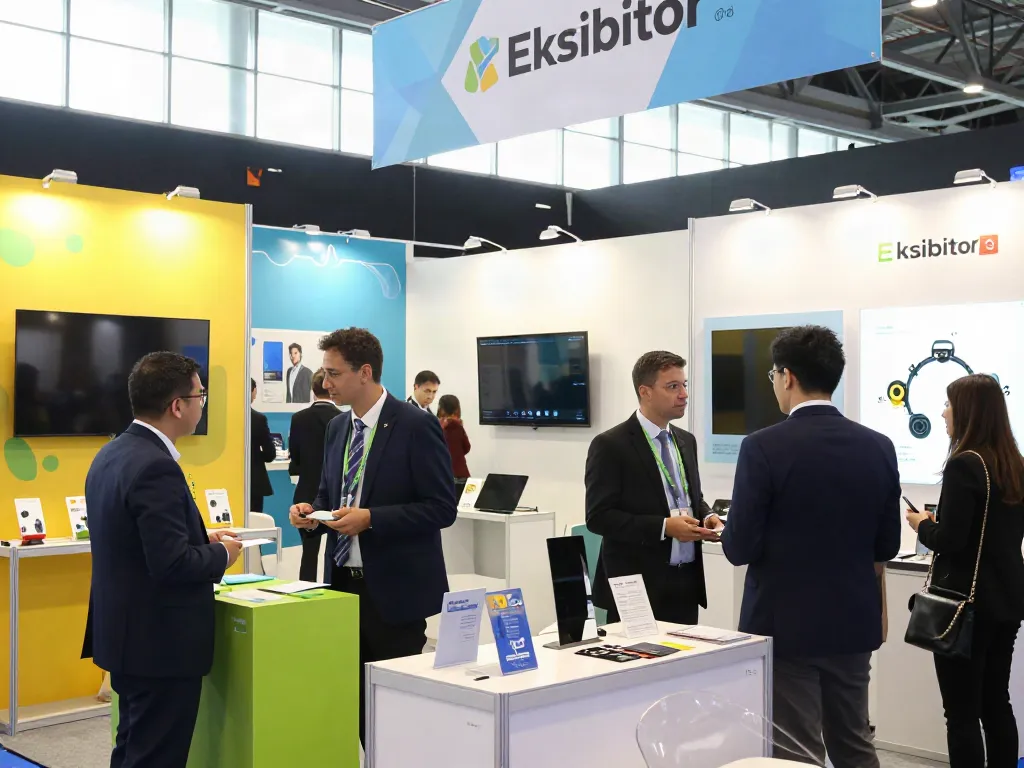
Understanding Eksibitor: What It Is and Its Importance
In the dynamic world of trade shows, the term eksibitor plays a crucial role. An *eksibitor* refers to an organization or individual that showcases products or services at an exhibition or trade show. These exhibitors are pivotal in facilitating connections between businesses, industry leaders, and consumers, thus acting as a vital link in the commercial ecosystem. As industries evolve, understanding the evolving role of eksibitors becomes essential for those looking to maximize their presence at these events. When exploring options, eksibitor provides comprehensive insights into various exhibitors participating in trade shows across Indonesia.
Definition and Role of Eksibitor in Trade Shows
The primary purpose of an eksibitor is to display and promote their products or services to a targeted audience. This showcases not just their offerings but also their brand identity, driving engagement and potential sales. The role of an eksibitor goes beyond mere visibility; it encompasses educating attendees, networking, and collecting valuable leads that can translate into future business opportunities. Trade shows present an ideal platform for eksibitors to engage with potential clients, gather market intelligence, and establish partnerships. As such, their strategic importance cannot be overstated in the context of B2B and B2C interactions.
The Impact of Eksibitor on Business Growth
The presence of an eksibitor at trade shows can significantly impact business growth. Well-planned participation enables companies to showcase their innovations, which can lead to increased brand awareness and market penetration. Moreover, engaging directly with attendees allows eksibitors to understand consumer needs, gather feedback, and iterate on their products or offerings effectively. Over time, this engagement helps in building a loyal customer base. Case studies of successful eksibitors indicate that companies that invest strategically in trade show participation often experience a marked uplift in sales and customer retention.
Common Misconceptions About Eksibitor
Despite their importance, several misconceptions about eksibitors persist. A common myth is that merely having a booth guarantees success. However, success is contingent on multiple factors, including the quality of engagement, the uniqueness of the offerings, and the overall marketing strategy surrounding the event. Additionally, some may assume that eksibitors are only relevant for large corporations, when in reality, small and medium enterprises can leverage trade shows effectively to carve out their niche and grow within their sectors.
Evaluating Alternatives to Eksibitor for Trade Shows
As businesses look to optimize their trade show strategies, it is important to evaluate alternatives to traditional eksibitor participation. Understanding the broader landscape can help organizations identify opportunities that align with their goals and budget.
Top Competitors in the Eksibitor Landscape
Within the trade show ecosystem, various alternatives exist, ranging from virtual exhibitions to niche trade fairs. Each option provides unique advantages and challenges. For example, virtual exhibitor platforms have gained traction, especially post-pandemic, allowing companies to reach a global audience without geographical constraints. On the flip side, traditional in-person exhibitions enable tactile experiences, often resulting in higher engagement levels. Understanding these options is crucial for businesses aiming to enhance their market presence.
Pros and Cons of Each Alternative
When evaluating alternatives to traditional eksibitor roles, businesses must consider the pros and cons associated with each approach:
- Virtual Exhibits:
- Niche Trade Fairs:
- Hybrid Events:
How to Choose the Right Alternative
Choosing the right alternative to eksibitor participation requires assessing your business objectives, budget, and target audience demographic. Conducting thorough market research can help identify which approach aligns best with your goals. Engaging with past attendees or industry experts can also provide insights into the effectiveness of different platforms. Ultimately, the right choice will depend on a balance between desired outcomes and available resources.
Best Practices for Maximizing Your Eksibitor Experience
To derive maximum value from being an eksibitor, preparation and engagement are key elements to consider. A focused strategy ensures that businesses make the most of their trade show participation.
Preparing for Your Trade Show Participation
Preparation is crucial for successful eksibitor participation. This includes developing a clear plan that outlines marketing strategies, booth design, and key messages. Having a well-trained team in place is also essential, as they will serve as the face of the brand during the event. Consider pre-show outreach to invite potential clients or partners to your booth, fostering connections before the event even begins.
Engaging Effectively with Attendees
Once at the event, engaging effectively with attendees can significantly enhance your eksibitor experience. Utilize active listening techniques, be approachable, and create an inviting booth atmosphere. Interactive displays or product demonstrations can draw in more visitors, making it easier to initiate conversations. Remember to follow up with leads post-event to maintain engagement and build on initial discussions.
Utilizing Technology for Enhanced Interaction
Incorporating technology into your trade show strategy can also enhance the attendee experience. Tools like augmented reality (AR) can offer immersive experiences, while mobile apps can facilitate lead generation and follow-up. Harnessing social media during the event can increase visibility and engagement by encouraging attendees to share their experiences. Adapting to technological trends can set your eksibitor efforts apart from competitors.
Case Studies: Successful Eksibitor Implementations
Real-world examples provide valuable insights into successful eksibitor strategies, showcasing what works and what does not.
Highlighting Innovative Companies Using Eksibitor
Companies that have embraced innovative eksibitor techniques often witness remarkable results. For instance, a tech startup that implemented interactive booth displays at a major industry fair reported a 40% increase in lead generation compared to previous years. By encouraging attendees to engage with their products and share their experiences on social media, they effectively amplified their reach.
Lessons Learned from Trade Show Success
Learning from previous eksibitor experiences is critical. Businesses should analyze what strategies yield the best results, such as understanding which products garnered the most interest or which engagement tactics resonated with the audience. These insights can guide future planning and help refine the overall approach to trade show participation.
Measuring Performance and Outcomes
Post-show analysis is crucial for measuring the success of eksibitor efforts. Metrics such as leads generated, follow-up engagement rates, and sales conversions provide a quantitative snapshot of performance. Qualitative feedback from attendees can also inform future strategies by highlighting areas for improvement.
Future Trends for Eksibitor and Its Alternatives in 2026
The landscape of trade shows and the role of eksibitors are set to evolve as new trends emerge. Staying ahead of these trends will benefit businesses looking to maintain a competitive edge.
Emerging Technologies Influencing Trade Shows
Emerging technologies like artificial intelligence (AI) and virtual reality (VR) are poised to reshape the trade show experience. AI can enhance personalized marketing efforts, while VR can allow potential clients to experience products in immersive environments without physical limitations. Adapting to these technological advancements will be key for successful eksibitors in the coming years.
How Consumer Behavior is Changing
As consumer behaviors evolve, so too must the strategies of eksibitors. With a growing emphasis on sustainability and ethical practices, businesses that align their products and messaging with these values may find greater resonance with audiences. Understanding shifting consumer expectations will be vital for relevance in today’s market.
Predictions for the Future of Exhibitions
Looking ahead, it is predicted that trade shows will increasingly adopt hybrid formats, combining in-person elements with virtual experiences. This approach may provide greater flexibility, allowing businesses to reach wider audiences while maintaining valuable face-to-face interactions. For eksibitors, this means adapting strategies to engage both live and remote attendees efficiently.
What is an Eksibitor?
An eksibitor is a participant in trade shows who showcases their products or services to foster business connections. They serve as a bridge between buyers and sellers in various industries.
How to Register as an Eksibitor?
Registering as an eksibitor typically involves filling out a registration form provided by the event organizers, often accompanied by booth selection and payment. It’s advisable to register early to secure the best locations for visibility.
What Benefits do Eksibitors Offer to Businesses?
By participating as eksibitors, businesses can enhance brand awareness, generate leads, gather market insights, and forge valuable partnerships. Trade shows provide a unique opportunity to engage directly with target audiences.
Are There Costs Involved with Being an Eksibitor?
Yes, being an eksibitor often entails costs such as booth rental fees, marketing materials, and logistics expenses. Budgeting for these elements is crucial to ensure a successful trade show presence.
How to Stand Out as an Eksibitor?
To stand out, eksibitors should focus on creating unique booth designs, offering interactive experiences, and engaging effectively with attendees. Tailored marketing strategies and post-event follow-ups can further enhance visibility and engagement.