
Expert Link Slot Picks for Educators in 2026
Understanding Link Slots in Early Childhood Education
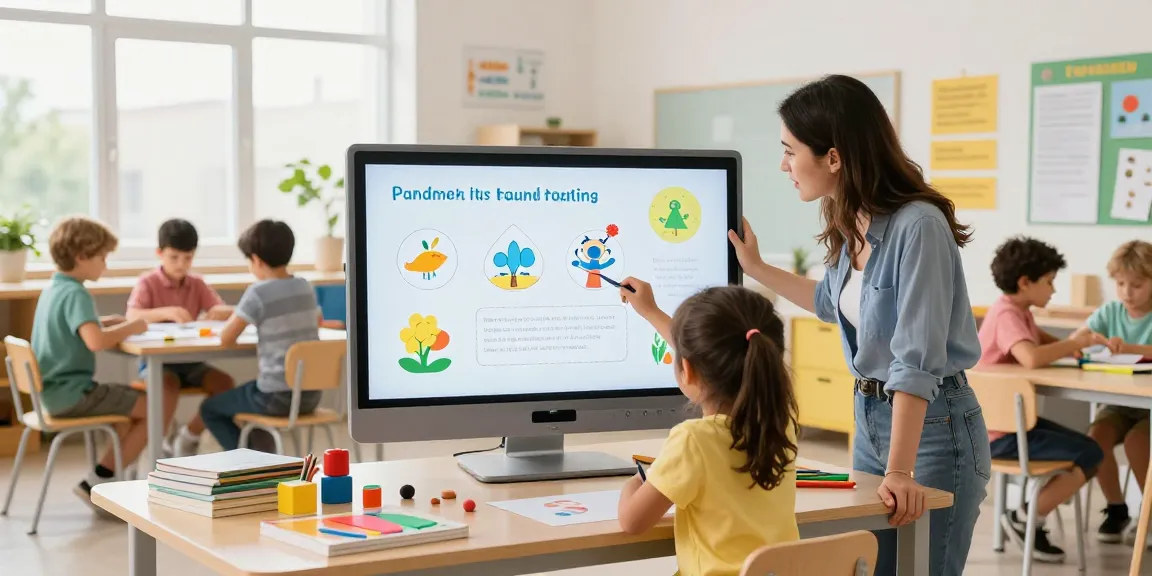
In the realm of early childhood education, the concept of link slot is gaining traction among educators and curriculum developers. A link slot can be understood as a framework that facilitates connections between knowledge, skills, and learning experiences, ultimately supporting the holistic development of young learners. This methodology emphasizes the significance of creating meaningful links that enhance children’s cognitive, social, and emotional growth, paving the way for lifelong learning.
What is a Link Slot and Its Importance?
A link slot is a strategic educational framework designed to integrate various elements of the learning process. It connects different subjects, skills, and concepts, allowing children to see the relationships between what they are learning and real-world applications. The importance of link slots lies in their ability to foster critical thinking and problem-solving skills. By making connections, children develop a deeper understanding of the material, making learning more relevant and engaging.
Common Misconceptions About Link Slots
Despite their benefits, misconceptions about link slots persist. One common belief is that they are only applicable to certain subjects or age groups. However, link slots can be adapted for any subject and tailored for various developmental stages. Another misconception is that implementing link slots requires extensive training or resources, while in reality, simple strategies can be employed to incorporate this approach into everyday teaching practices.
How Link Slots Enhance Learning Outcomes
Link slots significantly enhance learning outcomes by promoting engagement and motivation among students. When children understand how the material is connected, they are more likely to invest time and effort in their studies. Additionally, using link slots encourages collaborative learning experiences, allowing children to work together and share their insights, which further reinforces their understanding. Research has shown that students who engage with link slots demonstrate improved retention of information and academic performance.
Best Practices for Implementing Link Slots
Implementing link slots effectively requires thoughtful strategies and an understanding of best practices. Educators should focus on creating an inclusive environment where all students feel comfortable exploring connections between concepts. Collaborative planning among teachers can also enhance the integration of link slots in various subjects, ensuring that students receive a cohesive educational experience.
Strategies for Effective Use in Classrooms
Effective classroom strategies for using link slots include thematic units that explore a central topic from multiple angles. For example, a unit on “Nature” could integrate science (ecosystems), art (nature-inspired projects), and literacy (storytelling about nature). This approach not only captivates students’ interests but also facilitates deeper understanding and retention of concepts. Regular reflections and discussions about what they’ve learned enhance students’ ability to make connections independently.
Incorporating Technology in Link Slot Activities
Technology can play a pivotal role in enhancing link slot activities. Utilizing educational apps and interactive platforms allows students to access a wealth of resources and engage in collaborative projects with peers, even beyond the classroom. For instance, digital storytelling tools can help children create narratives that link different subjects, such as combining history and art in a multimedia presentation. Technology makes learning more dynamic and accessible, encouraging students to explore connections that they might not have considered otherwise.
Creating a Supportive Learning Environment
A supportive learning environment is crucial for the successful implementation of link slots. Teachers should foster a culture that encourages questioning, exploration, and connections. This can be achieved through open-ended projects, group discussions, and allowing students to lead their learning experiences. By creating an atmosphere where students feel safe to express their thoughts and make connections, educators lay the groundwork for effective link slot utilization.
Challenges and Solutions in Using Link Slots
While link slots offer numerous benefits, challenges can arise during implementation. Educators may encounter resistance from colleagues who are unfamiliar with the approach or skeptical about its efficacy. Identifying these obstacles early on allows for the development of proactive solutions, ensuring that link slots can be integrated smoothly into the curriculum.
Identifying Common Obstacles in Implementation
Common obstacles to implementing link slots include a lack of understanding of the concept among faculty, rigid curriculum structures, and the pressure to achieve specific academic benchmarks. Additionally, some educators may struggle with time constraints or resource availability. Recognizing these challenges is the first step toward addressing them effectively.
How to Overcome Resistance from Educators
Overcoming resistance requires ongoing professional development and collaboration. Providing workshops that showcase the benefits and success stories associated with link slots can help change perceptions. Additionally, encouraging teachers to share their experiences and collaborate on lesson planning fosters a community of practice that supports innovation in teaching.
Engaging Parents and Community in the Process
Engaging parents and the community can significantly enhance the implementation of link slots. By communicating the importance of this educational approach to parents, educators can invite them to participate in learning activities and discussions. Community members can also provide resources or expertise, enriching the learning environment and reinforcing the relevance of link slots beyond the classroom.
Case Studies Demonstrating Successful Link Slot Use
Real-world examples of successful link slot applications can provide valuable insights for educators looking to adopt this framework. Various programs have demonstrated the effectiveness of link slots in improving student engagement and outcomes, showcasing how integrating different subjects can yield impressive results.
Real-World Examples from Top Educators
Educators from different regions have successfully implemented link slots in their classrooms. For instance, a kindergarten teacher may create a unit on “Space,” merging science (planets and stars), art (crafting spaceships), and literacy (reading space-themed stories). Such comprehensive projects not only captivate students’ imaginations but also foster a cohesive understanding across disciplines.
Evaluating the Impact on Student Engagement
Research has indicated that students exposed to link slots exhibit higher levels of engagement. Surveys and observations illustrate that when students can see the connections between various subjects, their enthusiasm for learning increases. Furthermore, these connections encourage them to participate actively in discussions, leading to a richer educational experience.
Lessons Learned from Innovative Implementations
Analyzing successful implementations of link slots offers crucial insights into best practices. Flexibility in adapting the curriculum to incorporate diverse subjects, maintaining open lines of communication among educators, and being receptive to student interests are all factors that contribute to successful link slot usage. Continuous reflection and willingness to adjust strategies are key to fostering an improved learning environment.
Future Trends in Link Slot Utilization for 2026 and Beyond
As we look towards the future of education, link slots are poised to evolve alongside emerging educational technologies and learning methodologies. The integration of innovative tools and strategies will shape the way link slots are utilized, ensuring that they remain relevant and effective for diverse learning styles.
Predictions for Evolving Educational Technologies
In the coming years, we can expect educational technologies to become even more integrated into link slot activities. Virtual reality (VR) and augmented reality (AR) are anticipated to transform how students learn by providing immersive experiences that link abstract concepts to tangible realities. Utilizing these technologies will create a multidimensional learning environment where students can explore connections in ways previously unimagined.
How Link Slots Will Adapt to New Learning Styles
The rise of personalized learning will also influence how link slots are implemented. As educators gain access to sophisticated analytics about student performance and learning preferences, they can tailor link slot activities to better suit individual needs. This adaptability will ensure that all students can engage with the material in a way that resonates with them, fostering a love for learning.
Expert Insights on Next-Generation Learning Tools
Experts predict that the next generation of educational tools will be designed to enhance collaborative learning, critical thinking, and creativity—core components of effective link slots. Innovations such as artificial intelligence-driven platforms will allow educators to identify link opportunities and customize learning experiences that maximize student engagement and understanding.
What are the benefits of using link slots in education?
The benefits of using link slots in education are multifaceted. They enhance student engagement, promote critical thinking, and foster collaborative learning environments. By encouraging connections between different subjects, link slots help students to apply their knowledge in real-world contexts.
How can link slots improve student outcomes?
Link slots can significantly improve student outcomes by facilitating deeper learning and retention of information. Students who can make connections are more likely to understand and remember the material, leading to improved performance in assessments and overall academic achievement.
What challenges might educators face with link slots?
Challenges may include a lack of familiarity with the concept among educators, resistance to change, and the difficulty of integrating link slots into established curricula. Addressing these challenges through training and support is essential for successful implementation.
How can technology enhance link slot activities?
Technology can enhance link slot activities by providing interactive and engaging resources that facilitate connections between subjects. Digital tools can enable collaborative projects and access to diverse content, making learning more dynamic and accessible for students.
What are some successful examples of link slot use?
Successful examples of link slot use can be found in various educational settings, where teachers have integrated thematic units that connect multiple disciplines. By utilizing real-world themes, these educators have engaged students and enhanced their learning experiences.