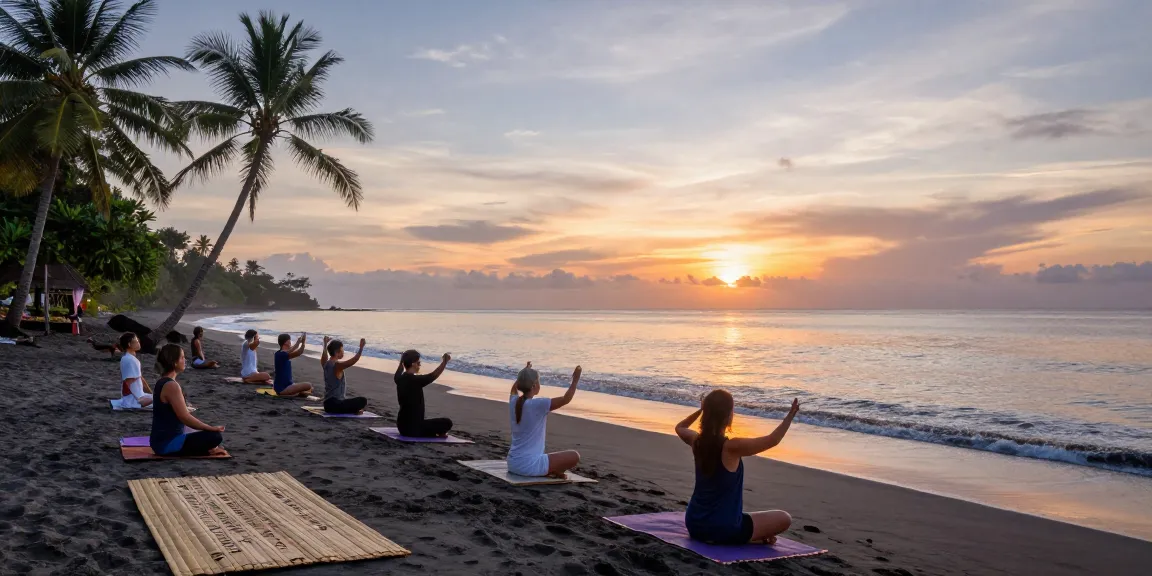
Understanding Qi Gong Bali
As the serene landscapes and rich cultural tapestry of Bali draw travelers from around the world, the island has emerged as a thriving hub for wellness practices, including the ancient Chinese art of Qi Gong. A practice that harmonizes body, mind, and spirit, Qi Gong Bali offers a unique avenue for individuals seeking both relaxation and deeper self-discovery amidst the lush backdrop of this tropical paradise.
What is Qi Gong?
Qi Gong (pronounced "chee gong") is a traditional Chinese practice that combines movement, meditation, and controlled breathing to enhance the flow of vital energy, or "Qi," throughout the body. Often described as a form of moving meditation, Qi Gong emphasizes the cultivation of physical health, emotional balance, and spiritual development, making it accessible to practitioners of all ages and fitness levels. Through gentle movements and focused intention, Qi Gong helps to reduce stress, promote healing, and improve overall well-being.
History and Origins of Qi Gong
The roots of Qi Gong stretch back over 5,000 years, intertwining with the philosophy and practices of ancient Chinese medicine, martial arts, and spiritual traditions such as Taoism and Buddhism. Originally utilized by monks and scholars, Qi Gong evolved as a method for enhancing physical health and spiritual enlightenment. Historical texts and artifacts reveal that various forms of Qi Gong were practiced in temples and villages, often tailored to local beliefs and health needs. Today, the practice has broadened, attracting a global audience as a holistic approach to well-being.
Benefits of Practicing Qi Gong
The benefits of Qi Gong extend far beyond physical fitness. Practicing this art can lead to:
- Improved Physical Health: Regular practice can enhance flexibility, balance, and coordination while promoting cardiovascular health.
- Stress Reduction: The meditative aspects of Qi Gong help reduce anxiety and promote mental clarity.
- Emotional Balance: Participants often report increased feelings of peace, joy, and an overall sense of well-being.
- Energy Enhancement: Qi Gong helps cultivate and balance energy, leading to heightened vitality and stamina.
- Spiritual Growth: The practice fosters a deeper connection with self, facilitating personal insights and spiritual awakening.
Qi Gong Retreats in Bali
Bali's enchanting atmosphere and welcoming communities foster an ideal environment for Qi Gong retreats. Various organizations and wellness centers offer immersive experiences that cater to both novices and seasoned practitioners, allowing individuals to deepen their practice while enjoying the island's natural beauty.
Popular Locations for Qi Gong in Bali
Some of the most sought-after locations for Qi Gong practices in Bali include:
- Ubud: Known for its lush jungles and peaceful ambiance, Ubud is a haven for wellness enthusiasts, featuring numerous retreats and workshops focused on Qi Gong and other holistic practices.
- Canggu: This beachside town attracts a younger crowd and offers diverse Qi Gong workshops integrated with surf and yoga sessions.
- Seminyak: With its vibrant atmosphere, Seminyak provides a mix of luxury spas and wellness centers where Qi Gong is practiced among other mindfulness activities.
What to Expect from a Qi Gong Retreat?
Participants in Qi Gong retreats can look forward to a range of enriching experiences, including:
- Daily Qi Gong sessions led by experienced instructors.
- Workshops on traditional Chinese medicine and wellness practices.
- Opportunities to connect with like-minded individuals.
- A tranquil environment that encourages reflection and personal growth.
- Additional activities such as meditation, yoga, and nature walks.
Comparing Different Qi Gong Styles
Qi Gong encompasses a variety of styles, each with its unique focus and techniques. Some of the prominent styles include:
- Health Qi Gong: Focuses on improving physical health and vitality through gentle movements and breathing techniques.
- Martial Qi Gong: Integrates martial arts principles, emphasizing strength, agility, and self-defense techniques.
- Spiritual Qi Gong: Aims to cultivate spiritual awareness and a deeper connection with the universe, often incorporating meditation practices.
Choosing Between Qi Gong Bali and Traditional Yoga
Both Qi Gong and traditional yoga offer significant health benefits, yet they differ in their approaches and philosophies. Understanding these distinctions can aid individuals in selecting the practice that best suits their needs and preferences.
Similarities and Differences in Practices
While both practices emphasize breath control and mindfulness, Qi Gong emphasizes energy flow and gentle movement, while yoga often incorporates more vigorous poses and alignment. Participants may find Qi Gong to be less physically demanding, making it an excellent option for those seeking a softer approach to movement.
Target Audience Comparison: Who Benefits Most?
Qi Gong often attracts individuals coping with stress, illness, or those seeking a meditative practice that complements their healing journey. In contrast, yoga appeals to those looking for physical fitness alongside spiritual growth. Each practice has its unique audience, and many find value in exploring both.
Instructor Expertise and Training
When seeking a retreat, it's essential to consider the instructors' backgrounds. Qi Gong teachers often specialize in traditional Chinese medicine and may possess certifications that highlight their expertise in energy healing. Ensuring that instructors have a strong foundation in Qi Gong principles can enhance the overall retreat experience.
Planning a Qi Gong Retreat in Bali
Embarking on a Qi Gong retreat in Bali can be a transformative experience. Proper planning can maximize the benefits and enjoyment of the journey.
Essential Tips for First-Timers
If you're new to Qi Gong or retreats, consider these tips:
- Research various retreats and instructors to find a program that resonates with your goals.
- Set clear intentions for what you wish to achieve during the retreat.
- Prepare to embrace the unfamiliar and allow yourself to be open to new experiences.
Packing Essentials for Your Retreat
When packing for your Qi Gong retreat, consider bringing:
- Comfortable, breathable clothing that allows for free movement.
- A journal for reflection and note-taking during workshops.
- A reusable water bottle to stay hydrated.
- Any personal items that help you feel grounded, such as crystals or essential oils.
Balancing Activities: Mixing Qi Gong with Other Wellness Practices
Integrating Qi Gong with other wellness activities can enhance your overall experience. Many retreats in Bali incorporate yoga, meditation, and even nature hikes, creating a comprehensive approach to well-being that nourishes the body, mind, and spirit.
Future of Qi Gong and Wellness Retreats in Bali
The wellness tourism industry in Bali continues to evolve, and Qi Gong is at the forefront of this growth. Emerging trends suggest an increasing blend of traditional practices with modern wellness trends, making it an exciting time for practitioners and newcomers alike.
Emerging Trends for 2026 and Beyond
As wellness tourism expands, we can expect a rise in themed retreats that integrate Qi Gong with other modalities like digital detox and mindfulness coaching, appealing to a broader audience seeking holistic health solutions.
Integrating Technology with Traditional Practices
While Qi Gong is deeply rooted in tradition, there's a growing interest in incorporating technology, such as virtual reality environments for guided practices or apps that facilitate remote learning and community-building.
Predictions for Wellness Tourism in Bali
As health consciousness rises globally, Bali is poised to attract even more visitors seeking transformative wellness experiences. Qi Gong, with its unique benefits, is likely to play a significant role in this transformation, solidifying Bali's reputation as a premier wellness destination.
What Should You Know Before Attending a Retreat?
Before attending a Qi Gong retreat, consider the following:
- Understand the schedule and what types of activities are included.
- Be prepared for varying levels of physical activity and adjust your expectations accordingly.
- Take time to research the retreat center’s philosophy to ensure it aligns with your values.